The Allure of Risk: Why People Gamble
The thrill associated with casino gambling often stems from the allure of risk. Many individuals are drawn to the idea of winning big against the odds, which taps into a deep-seated psychological phenomenon known as risk-taking behavior. This desire for exhilarating experiences can lead to the pursuit of gambling, where the excitement of the game becomes a crucial factor in one’s decision to participate. Specifically, many gamblers seek out options like the best online casino california real money, as the uncertainty of outcomes serves to heighten the emotional stakes, making each game feel like a new adventure.

Moreover, the potential for substantial monetary rewards creates a powerful incentive. When players envision the transformative effects of winning a jackpot, the prospect of risk becomes more palatable. This dynamic is further exacerbated by the brain’s reward systems, which release dopamine in response to risk and reward scenarios, reinforcing the appeal of gambling behaviors. The interplay between thrill-seeking and the promise of reward plays a significant role in motivating individuals to visit casinos.
The Role of Cognitive Biases in Gambling
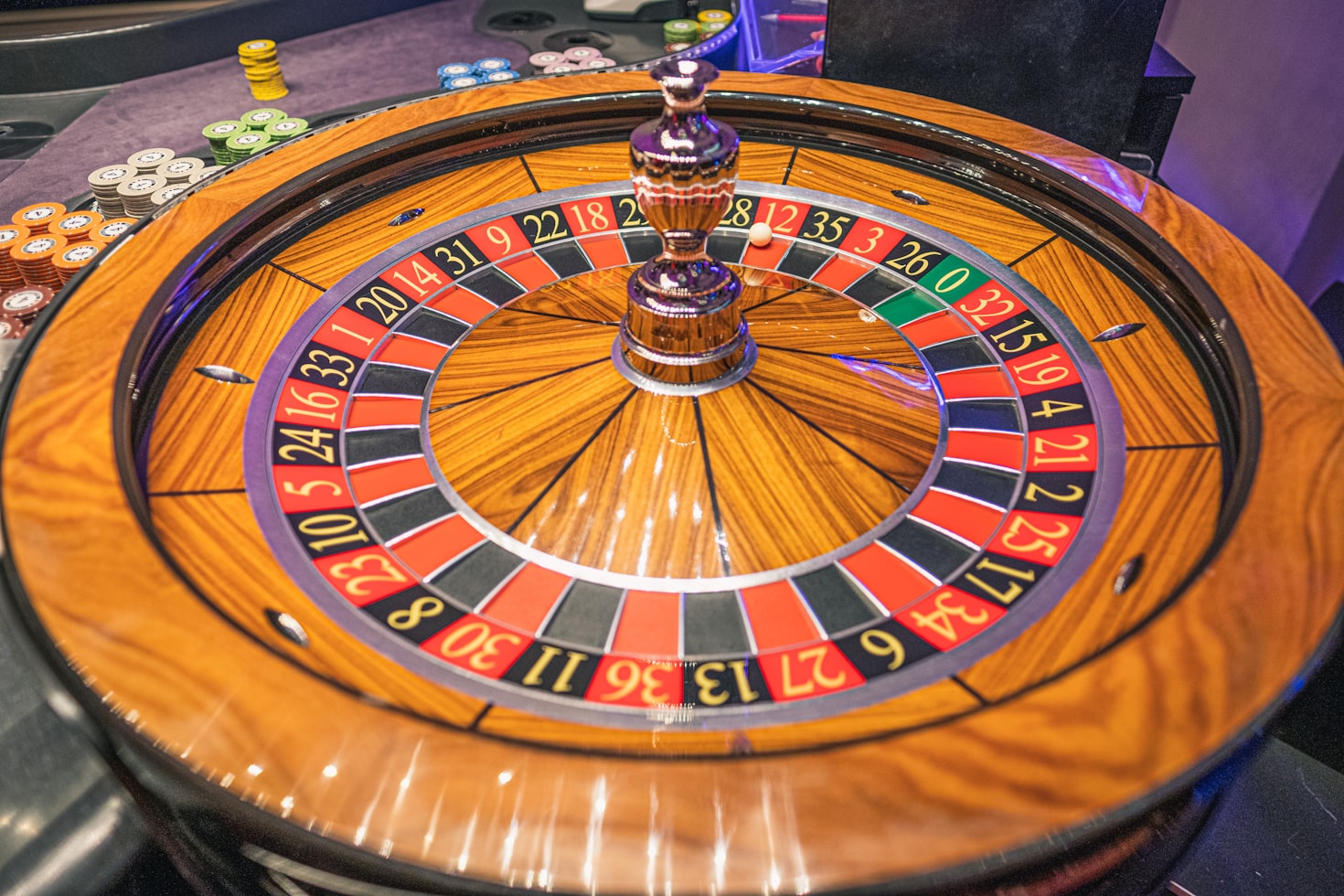
Cognitive biases significantly contribute to gambling behaviors, often leading individuals to make irrational decisions. One common bias is the illusion of control, where gamblers believe they can influence outcomes in games based on chance. This belief can be particularly strong in games like roulette or slot machines, where players may attribute wins to their strategies, despite the random nature of the outcomes. Such misconceptions can perpetuate gambling habits, as players feel empowered by their perceived skills.
Additionally, the gambler’s fallacy—a belief that past events influence future outcomes in random games—further complicates the psychological landscape of gambling. For instance, a player may think that after a series of losses, a win is “due.” This fallacy can lead to persistent gambling, as individuals chase losses in the hope that their luck will inevitably change, often escalating their engagement in risky behavior.
The Social Aspect of Gambling
The social environment surrounding casinos also enhances gambling behavior. Casinos are designed to be vibrant and engaging spaces, filled with people enjoying themselves, which can create a sense of community among players. This social aspect not only makes the experience more enjoyable but also encourages participation, as camaraderie among fellow gamblers can amplify the excitement and the desire to play.
Furthermore, social interactions can reinforce gambling behaviors. Friends and acquaintances often share stories of wins and losses, which can glamorize the gambling experience. This sharing can normalize gambling as a recreational activity, making individuals more likely to gamble themselves. The collective atmosphere of enjoyment can overshadow the risks associated with gambling, leading players to overlook potential negative consequences in favor of social connection.
The Impact of Environment and Design in Casinos
The physical design of casinos plays a crucial role in shaping gambling behavior. Casinos are meticulously crafted to create an environment that encourages prolonged play. Elements such as lighting, sound, and layout are strategically used to enhance the gaming experience. Bright lights and the sounds of winning machines create an upbeat atmosphere that attracts players and keeps them engaged.
Additionally, the absence of clocks and windows serves to disorient players, making them unaware of the passage of time. This design choice can lead to extended gambling sessions, as individuals lose track of their time and often continue playing longer than initially intended. Such environmental factors contribute to the addictive nature of casino gambling, luring individuals into spending more time and money than they may have planned.
Understanding Casino Psychology through American Media Institute
The American Media Institute provides valuable insights into the multifaceted world of media, highlighting the importance of understanding behaviors such as gambling. Their research delves into how media representations of casinos and gambling influence public perceptions and individual behaviors. By analyzing these dynamics, they contribute to a more nuanced understanding of gambling psychology.
Ultimately, the exploration of casino gambling behavior through the lens of psychology reveals underlying motivations, cognitive biases, and environmental influences that shape how individuals engage with games of chance. As discussions about these topics evolve, the work of organizations like the American Media Institute remains vital in fostering informed conversations about gambling and its broader societal impacts.